Milestone Achievement – Forbes India Select 200 DGEMS Recognizes WebDataGuru for Data Intelligence & AI-Driven Price Insights 🎉
Milestone Achievement – Forbes India Select 200 DGEMS Recognizes WebDataGuru for Data Intelligence & AI-Driven Price Insights 🎉
Milestone Achievement – Forbes India Select 200 DGEMS Recognizes WebDataGuru for Data Intelligence & AI-Driven Price Insights 🎉
Milestone Achievement – Forbes India Select 200 DGEMS Recognizes WebDataGuru for Data Intelligence & AI-Driven Price Insights 🎉
Milestone Achievement – Forbes India Select 200 DGEMS Recognizes WebDataGuru for Data Intelligence & AI-Driven Price Insights 🎉
Milestone Achievement – Forbes India Select 200 DGEMS Recognizes WebDataGuru for Data Intelligence & AI-Driven Price Insights 🎉
Milestone Achievement – Forbes India Select 200 DGEMS Recognizes WebDataGuru for Data Intelligence & AI-Driven Price Insights 🎉
Milestone Achievement – Forbes India Select 200 DGEMS Recognizes WebDataGuru for Data Intelligence & AI-Driven Price Insights 🎉
Milestone Achievement – Forbes India Select 200 DGEMS Recognizes WebDataGuru for Data Intelligence & AI-Driven Price Insights 🎉
Milestone Achievement – Forbes India Select 200 DGEMS Recognizes WebDataGuru for Data Intelligence & AI-Driven Price Insights 🎉
Milestone Achievement – Forbes India Select 200 DGEMS Recognizes WebDataGuru for Data Intelligence & AI-Driven Price Insights 🎉
Milestone Achievement – Forbes India Select 200 DGEMS Recognizes WebDataGuru for Data Intelligence & AI-Driven Price Insights 🎉
Milestone Achievement – Forbes India Select 200 DGEMS Recognizes WebDataGuru for Data Intelligence & AI-Driven Price Insights 🎉
Milestone Achievement – Forbes India Select 200 DGEMS Recognizes WebDataGuru for Data Intelligence & AI-Driven Price Insights 🎉
Milestone Achievement – Forbes India Select 200 DGEMS Recognizes WebDataGuru for Data Intelligence & AI-Driven Price Insights 🎉
Milestone Achievement – Forbes India Select 200 DGEMS Recognizes WebDataGuru for Data Intelligence & AI-Driven Price Insights 🎉
Milestone Achievement – Forbes India Select 200 DGEMS Recognizes WebDataGuru for Data Intelligence & AI-Driven Price Insights 🎉
Milestone Achievement – Forbes India Select 200 DGEMS Recognizes WebDataGuru for Data Intelligence & AI-Driven Price Insights 🎉
Milestone Achievement – Forbes India Select 200 DGEMS Recognizes WebDataGuru for Data Intelligence & AI-Driven Price Insights 🎉
Milestone Achievement – Forbes India Select 200 DGEMS Recognizes WebDataGuru for Data Intelligence & AI-Driven Price Insights 🎉
Milestone Achievement – Forbes India Select 200 DGEMS Recognizes WebDataGuru for Data Intelligence & AI-Driven Price Insights 🎉
Milestone Achievement – Forbes India Select 200 DGEMS Recognizes WebDataGuru for Data Intelligence & AI-Driven Price Insights 🎉
Milestone Achievement – Forbes India Select 200 DGEMS Recognizes WebDataGuru for Data Intelligence & AI-Driven Price Insights 🎉
Milestone Achievement – Forbes India Select 200 DGEMS Recognizes WebDataGuru for Data Intelligence & AI-Driven Price Insights 🎉
Milestone Achievement – Forbes India Select 200 DGEMS Recognizes WebDataGuru for Data Intelligence & AI-Driven Price Insights 🎉
Milestone Achievement – Forbes India Select 200 DGEMS Recognizes WebDataGuru for Data Intelligence & AI-Driven Price Insights 🎉
Milestone Achievement – Forbes India Select 200 DGEMS Recognizes WebDataGuru for Data Intelligence & AI-Driven Price Insights 🎉
Milestone Achievement – Forbes India Select 200 DGEMS Recognizes WebDataGuru for Data Intelligence & AI-Driven Price Insights 🎉
Milestone Achievement – Forbes India Select 200 DGEMS Recognizes WebDataGuru for Data Intelligence & AI-Driven Price Insights 🎉
Milestone Achievement – Forbes India Select 200 DGEMS Recognizes WebDataGuru for Data Intelligence & AI-Driven Price Insights 🎉
Milestone Achievement – Forbes India Select 200 DGEMS Recognizes WebDataGuru for Data Intelligence & AI-Driven Price Insights 🎉
Milestone Achievement – Forbes India Select 200 DGEMS Recognizes WebDataGuru for Data Intelligence & AI-Driven Price Insights 🎉
Milestone Achievement – Forbes India Select 200 DGEMS Recognizes WebDataGuru for Data Intelligence & AI-Driven Price Insights 🎉
Milestone Achievement – Forbes India Select 200 DGEMS Recognizes WebDataGuru for Data Intelligence & AI-Driven Price Insights 🎉
Milestone Achievement – Forbes India Select 200 DGEMS Recognizes WebDataGuru for Data Intelligence & AI-Driven Price Insights 🎉
Milestone Achievement – Forbes India Select 200 DGEMS Recognizes WebDataGuru for Data Intelligence & AI-Driven Price Insights 🎉
Milestone Achievement – Forbes India Select 200 DGEMS Recognizes WebDataGuru for Data Intelligence & AI-Driven Price Insights 🎉
Milestone Achievement – Forbes India Select 200 DGEMS Recognizes WebDataGuru for Data Intelligence & AI-Driven Price Insights 🎉
Milestone Achievement – Forbes India Select 200 DGEMS Recognizes WebDataGuru for Data Intelligence & AI-Driven Price Insights 🎉
Milestone Achievement – Forbes India Select 200 DGEMS Recognizes WebDataGuru for Data Intelligence & AI-Driven Price Insights 🎉
Milestone Achievement – Forbes India Select 200 DGEMS Recognizes WebDataGuru for Data Intelligence & AI-Driven Price Insights 🎉
Milestone Achievement – Forbes India Select 200 DGEMS Recognizes WebDataGuru for Data Intelligence & AI-Driven Price Insights 🎉
Milestone Achievement – Forbes India Select 200 DGEMS Recognizes WebDataGuru for Data Intelligence & AI-Driven Price Insights 🎉
Milestone Achievement – Forbes India Select 200 DGEMS Recognizes WebDataGuru for Data Intelligence & AI-Driven Price Insights 🎉
Milestone Achievement – Forbes India Select 200 DGEMS Recognizes WebDataGuru for Data Intelligence & AI-Driven Price Insights 🎉
Milestone Achievement – Forbes India Select 200 DGEMS Recognizes WebDataGuru for Data Intelligence & AI-Driven Price Insights 🎉
Milestone Achievement – Forbes India Select 200 DGEMS Recognizes WebDataGuru for Data Intelligence & AI-Driven Price Insights 🎉
Milestone Achievement – Forbes India Select 200 DGEMS Recognizes WebDataGuru for Data Intelligence & AI-Driven Price Insights 🎉
Milestone Achievement – Forbes India Select 200 DGEMS Recognizes WebDataGuru for Data Intelligence & AI-Driven Price Insights 🎉
Milestone Achievement – Forbes India Select 200 DGEMS Recognizes WebDataGuru for Data Intelligence & AI-Driven Price Insights 🎉
Milestone Achievement – Forbes India Select 200 DGEMS Recognizes WebDataGuru for Data Intelligence & AI-Driven Price Insights 🎉
Milestone Achievement – Forbes India Select 200 DGEMS Recognizes WebDataGuru for Data Intelligence & AI-Driven Price Insights 🎉
Milestone Achievement – Forbes India Select 200 DGEMS Recognizes WebDataGuru for Data Intelligence & AI-Driven Price Insights 🎉
Milestone Achievement – Forbes India Select 200 DGEMS Recognizes WebDataGuru for Data Intelligence & AI-Driven Price Insights 🎉
Milestone Achievement – Forbes India Select 200 DGEMS Recognizes WebDataGuru for Data Intelligence & AI-Driven Price Insights 🎉
Milestone Achievement – Forbes India Select 200 DGEMS Recognizes WebDataGuru for Data Intelligence & AI-Driven Price Insights 🎉
Milestone Achievement – Forbes India Select 200 DGEMS Recognizes WebDataGuru for Data Intelligence & AI-Driven Price Insights 🎉
Milestone Achievement – Forbes India Select 200 DGEMS Recognizes WebDataGuru for Data Intelligence & AI-Driven Price Insights 🎉
Milestone Achievement – Forbes India Select 200 DGEMS Recognizes WebDataGuru for Data Intelligence & AI-Driven Price Insights 🎉
Milestone Achievement – Forbes India Select 200 DGEMS Recognizes WebDataGuru for Data Intelligence & AI-Driven Price Insights 🎉
Milestone Achievement – Forbes India Select 200 DGEMS Recognizes WebDataGuru for Data Intelligence & AI-Driven Price Insights 🎉
Milestone Achievement – Forbes India Select 200 DGEMS Recognizes WebDataGuru for Data Intelligence & AI-Driven Price Insights 🎉
Milestone Achievement – Forbes India Select 200 DGEMS Recognizes WebDataGuru for Data Intelligence & AI-Driven Price Insights 🎉
Milestone Achievement – Forbes India Select 200 DGEMS Recognizes WebDataGuru for Data Intelligence & AI-Driven Price Insights 🎉
Milestone Achievement – Forbes India Select 200 DGEMS Recognizes WebDataGuru for Data Intelligence & AI-Driven Price Insights 🎉
Milestone Achievement – Forbes India Select 200 DGEMS Recognizes WebDataGuru for Data Intelligence & AI-Driven Price Insights 🎉
10 Best Minderest Alternatives & Competitors
Choosing the right price monitoring software can make or break your pricing strategy. If you're researching Minderest alternatives, you're probably trying to find a platform that matches your budget, your catalog size, or simply offers a feature Minderest doesn't like deeper marketplace coverage, faster refresh rates, or more flexible pricing.
Minderest has built a solid reputation as a European price intelligence platform, especially among large retailers and brands that need catalogue monitoring, MAP enforcement, and dynamic pricing in one place. But it's not the right fit for everyone. Some teams find the custom quote-based pricing hard to budget for. Others need broader global marketplace coverage, faster onboarding, or a more modern interface.
Whatever your reason for looking elsewhere, this guide breaks down the 10 best Minderest alternatives in 2026 what each one does well, where it falls short, and who it's built for. We've also included quick answers to the questions pricing teams ask most often, so this works as a practical buyer guide whether you're a one-person eCommerce shop or a pricing department.
1. PriceIntelGuru
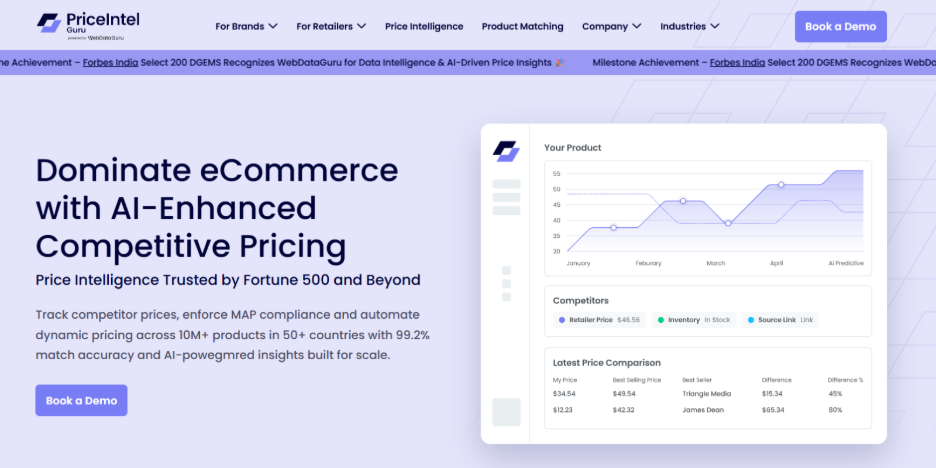
PriceIntelGuru, a flagship platform by WebDataGuru, is an AI-powered price intelligence, competitor price monitoring, product matching, MAP monitoring, and dynamic pricing platform built for retailers, eCommerce brands, manufacturers, distributors, marketplace sellers, and pricing teams. The platform helps businesses monitor competitor prices, track marketplace pricing, detect MAP violations, compare matched products, analyze stock availability, and automate pricing decisions from one easy-to-use dashboard.
With coverage across 10M+ products in 50+ countries and 99.2% AI-driven product match accuracy, PriceIntelGuru helps businesses reduce manual SKU tracking, replace spreadsheets, protect margins, improve pricing agility, and make faster data-backed pricing decisions.
Best for: Retailers, brands, and marketplace sellers who want price intelligence software with high match accuracy, without the lengthy onboarding cycles typical of legacy platforms.
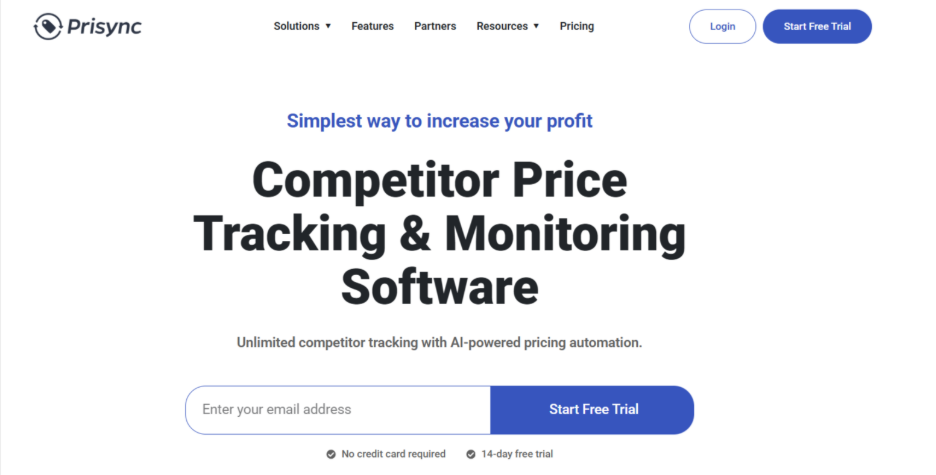
Prisync is one of the most recognized names in competitor price tracker tools, particularly for small and mid-size eCommerce businesses. It focuses on simplicity: track competitor prices across websites and marketplaces, get alerts on price changes, and apply basic dynamic pricing rules.
The dashboard is clean and quick to set up, which makes it popular with teams that don't want a steep learning curve. However, larger catalogs or businesses needing deep MAP enforcement or multi-geo workflows may outgrow it.
Best for: Small to mid-size eCommerce teams that want a straightforward, fast-to-implement tool.
Key features: Real-time competitor tracking, automated alerts, exception-based reporting, repricing rules included in base plans.
3. Price2Spy
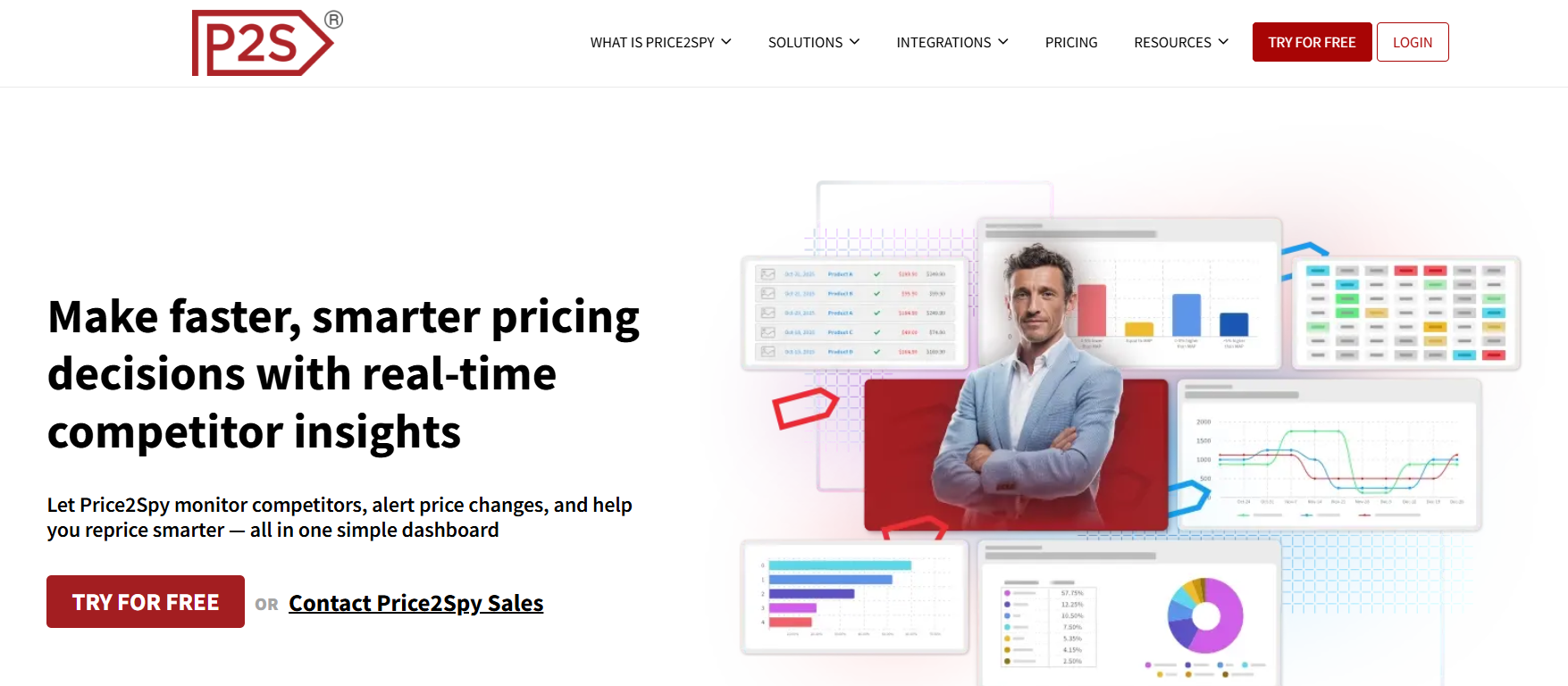
Price2Spy is a long-established price tracking platform that has been in the market since 2010. It offers competitor price tracking, MAP monitoring, screenshots for verification, and historical pricing records, with entry pricing that's noticeably more affordable than many enterprise competitors.
Its strength is flexibility Price2Spy can recognize prices shown as images, work around bot protection, and cover a wide range of regional European marketplaces. The trade-off is a dated user interface compared to newer SaaS platforms.
Best for: Budget-conscious teams that need solid European marketplace coverage and MAP tracking without enterprise pricing.
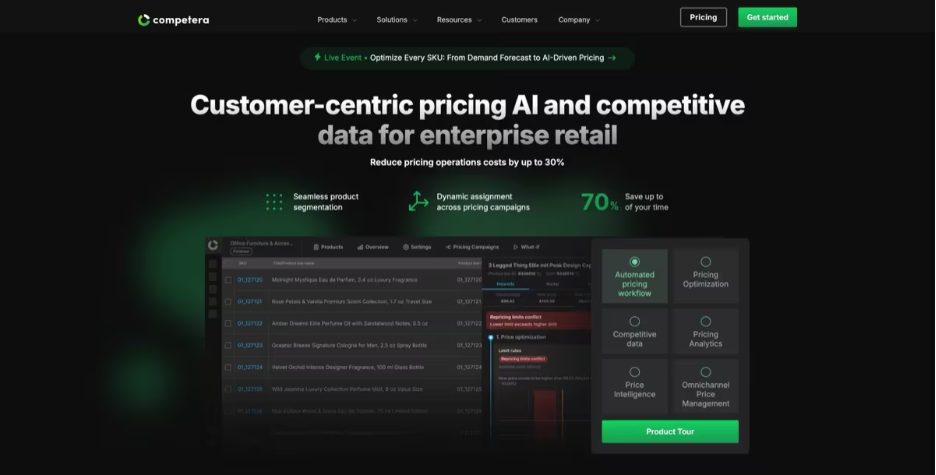
Competera takes a bit a different approach than most tools on this list, instead of only reporting competitor prices it leans on AI to recommend what you should charge. It looks at demand elasticity, margin targets, and how competitors are positioned in the market; then it generates pricing decisions, not just raw data.
Because of that Competera can be a strong match for retailers who’ve already nailed the basics of monitoring and now want to step into automated AI-assisted dynamic pricing software. The catch is the onboarding time… it usually takes weeks to set up pricing rules and tune competitor feeds before the AI starts turning out recommendations you can actually trust.
Best for: larger retailers who are ready to move from price monitoring into active, AI-driven repricing.
Key features: demand elasticity modeling, automated rule driven pricing workflows, real-time market data via API, and enterprise level analytics.
5. Priceva
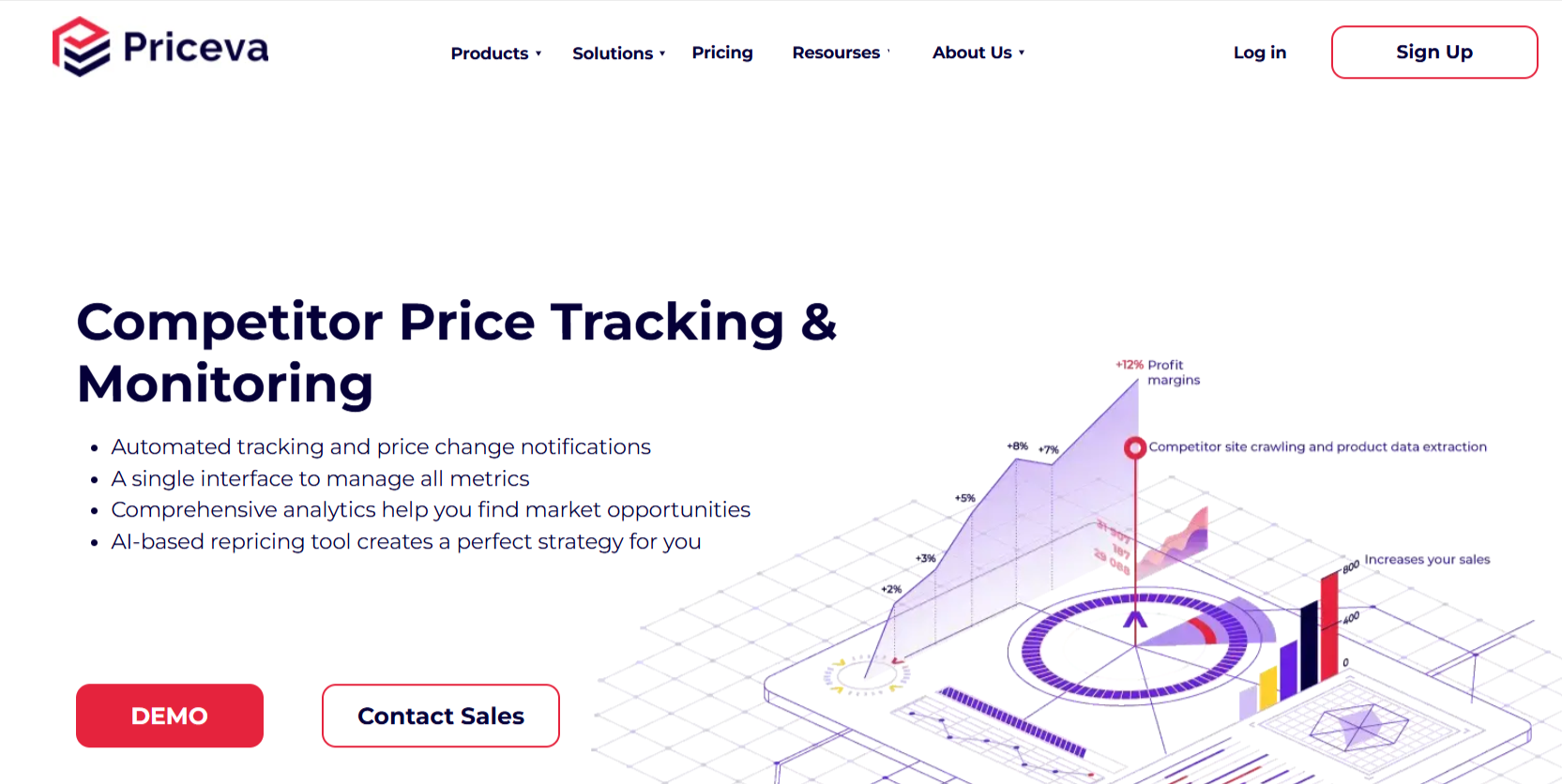
Priceva positions as an all-in-one alternative that bundles competitor monitoring, repricing, and MAP enforcement into every paid plan, feature-wise, the way a lot of other tools charge extra separately. On top of that, it also has built-in IP rotation and CAPTCHA handling, which in practice reduces the tech overhead of tracking those tricky to-scrape sites.
Best for: mid-size retailers and brands who want monitoring, MAP, and repricing together without it being parceled out as add-ons or little add-on purchases.
Key features: bundled MAP and repricing, automated scraping infrastructure, flexible API integrations, scalable pricing tiers.
6. Omnia Retail
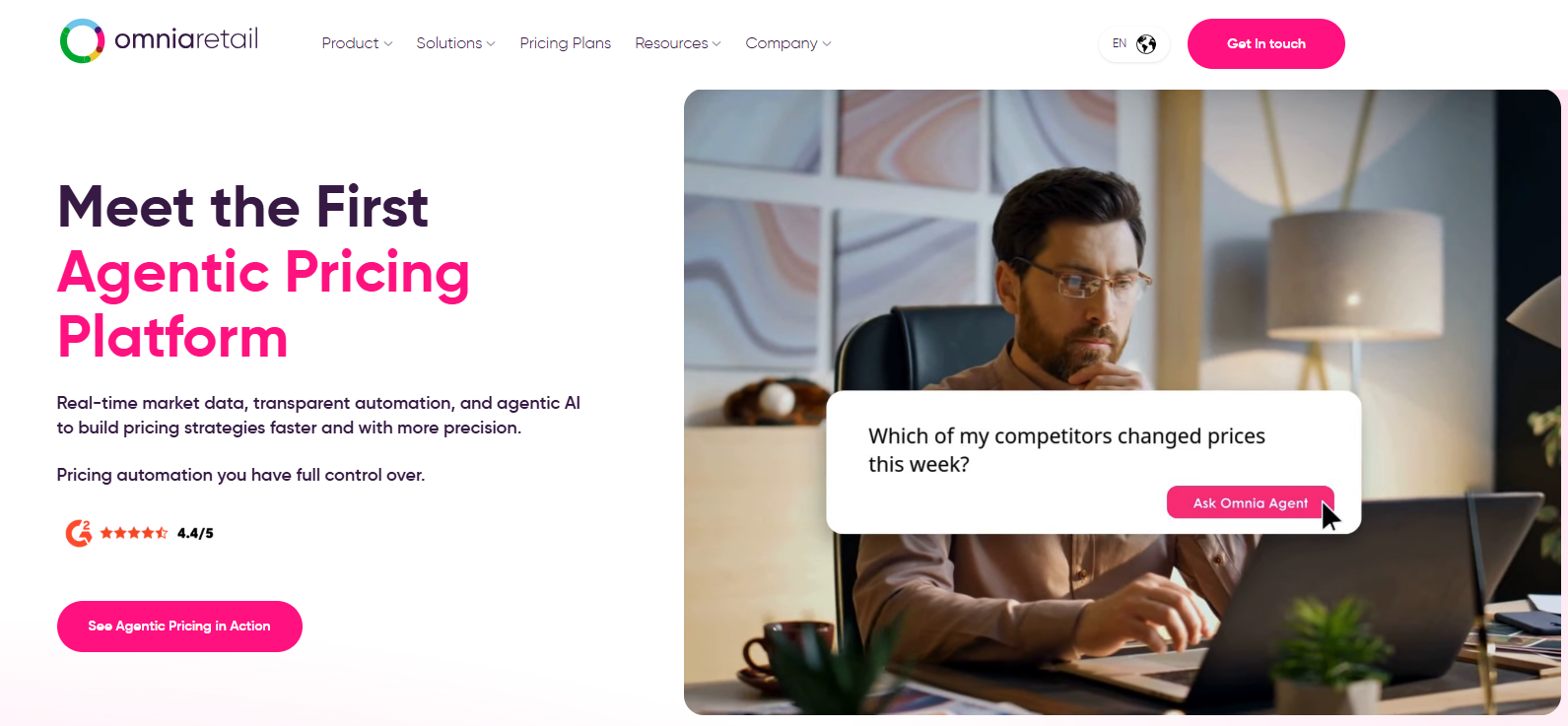
Omnia Retail is this European pricing platform that’s made for retailers and brands who need granular control over pricing rules, without having to rely on developers or anything like that. The highlight is the “Pricing Strategy Tree” thing, basically a no-code setup to build and tweak pricing logic at the product as well as category level, in a way that feels straightforward even if you’re not an engineer.
On top of that, Omnia collects pricing data in-house across tens of thousands of domains and links straight into marketplaces like Amazon eBay and Google Shopping. Lately it’s also being positioned more around agentic AI features, where it proactively flags pricing anomalies and opportunities. Not only showing charts or dashboards like some tools do but doing the sort of detective work for you.
Best for: Mid-market and enterprise European retailers who want deep customization of pricing rules.
Key features: No-code pricing rule builder, in-house data scraping, AI-driven anomaly detection, ERP and marketplace integrations
7. Profitero
Profitero is not really just a simple price tracker, and it feels more like a whole digital shelf analytics platform. Like, besides ecommerce price monitoring, it also digs into share of search, how promotions perform, and even content quality across hundreds of retailers. Globally yes, think Amazon Walmart and other big marketplaces.
Best for: Mid-to-large CPG brands that want pricing data but also wider digital shelf intelligence.
Key features: Price and promotion tracking, share-of-search analytics, content performance monitoring, and elasticity modeling.
8. Intelligence Node
Intelligence Node is the AI driven retail price intelligence platform, built around huge pricing datasets, you know. It basically zeroes in on product level profitability, merging competitive pricing info with assortment and demand insights so retailers can keep their margins safer, at scale.
Best for: Large retailers and brands that manage extensive catalogs and want pricing choices supported by demand and assortment context, not only raw price feeds.
Key features: Large-scale pricing dataset, AI based price and assortment analysis, margin protection insights, demand-aware recommendations.
9. Netrivals
Netrivals, now part of Lengow's eCommerce suite, is built for enterprise teams monitoring competitors across hundreds of websites and marketplaces in multiple countries. Its biggest advantage is the direct connection between monitoring data and feed management useful for teams already distributing product feeds through Lengow.
Netrivals uses proprietary product attribute recognition to improve match accuracy across large, multi-country catalogs, which makes it a reasonable fit for businesses operating across several European markets simultaneously.
Best for: Enterprise retailers and brands already using feed management tools who need pricing data tied directly into distribution workflows.
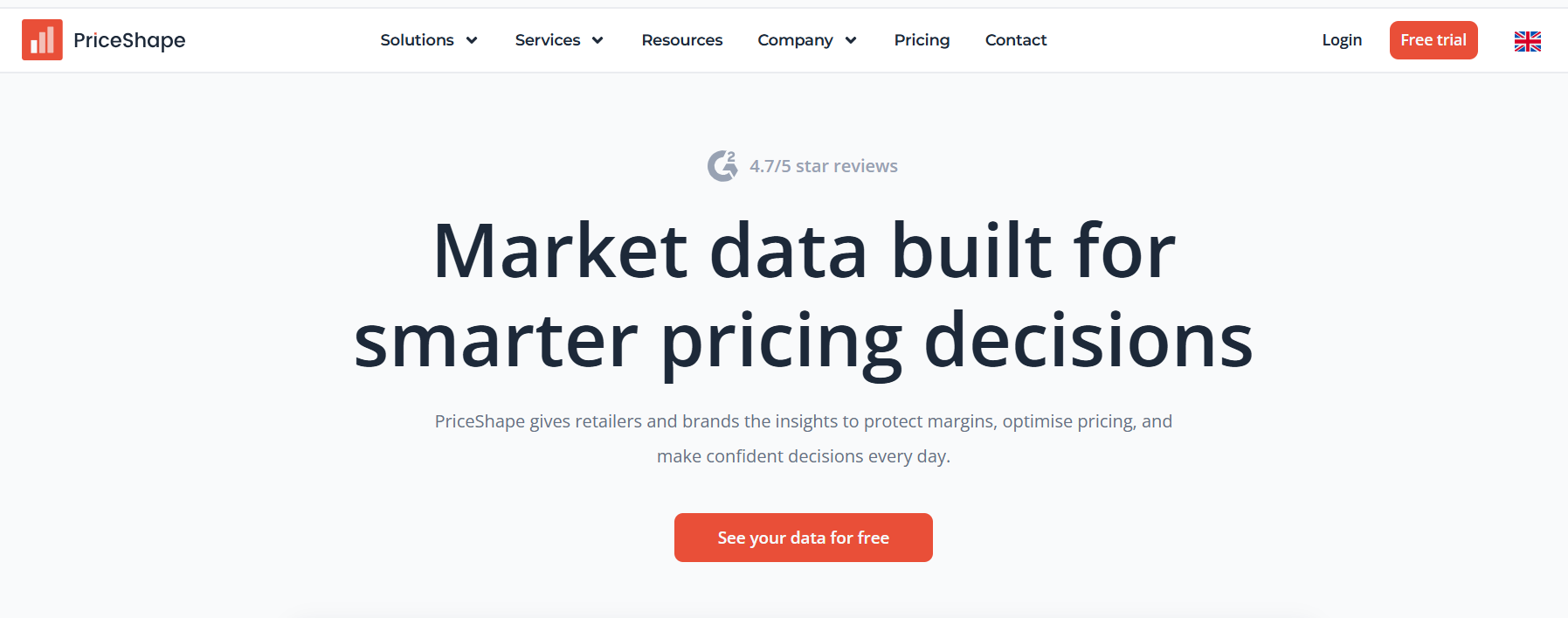
PriceShape is a Danish pricing optimization software platform built for retailers running Google Shopping campaigns alongside traditional competitor monitoring. It collects brand and eCommerce pricing data globally, giving retailers visibility into both competitor pricing and stock levels.
It's particularly popular with mid-market European retailers who want dynamic pricing tied closely to advertising performance, rather than treated as a separate workflow.
Best for: Mid-market retailers who want price monitoring closely integrated with Google Shopping and paid advertising strategy.
Key features: Global competitor and stock monitoring, Google Shopping-linked pricing, fast account setup, configurable competitor selection.
Final Thoughts
Minderest remains a capable platform, especially for large European retailers and brands. But with custom pricing and a learning curve that doesn't suit every team, there are plenty of strong alternatives worth evaluating in 2026.
If you’re looking for an AI platform that mixes reliable product matching, wide global coverage, and automatic pricing choices all in one dashboard, PriceIntelGuru is worth a closer look, it’s built specifically to help retailers, brands, and marketplace sellers step away from hand tracking and move toward quicker, data-backed pricing decisions.
Frequently Asked Questions
1. What is the best alternative to Minderest?
It depends on your business size and goals. PriceIntelGuru is a strong overall alternative for AI-driven accuracy and global coverage, while Prisync and Price2Spy suit smaller budgets, and Competera or Omnia Retail fit teams ready for automated repricing.
2. Why do businesses look for Minderest alternatives?
Common reasons include Minderest's custom quote-based pricing model, which can be harder to budget than transparent tiered pricing, as well as the need for different marketplace coverage, faster onboarding, or more modern dashboards.
3. Is competitor price monitoring legal?
Yes. Price tracking relies on publicly available information from competitor's websites and is a standard, legal market intelligence practice.
4. How often should I monitor competitor prices?
This depends on your industry. Fast-moving categories like electronics may need multiple checks per day, while categories with longer pricing cycles can rely on daily updates.
5. Do these tools support MAP monitoring?
Most platforms on this list including PriceIntelGuru, Price2Spy, Priceva, and Netrivals include MAP violation detection to help brands protect pricing policies across resellers and marketplaces.
Transform Your Pricing Strategy Today
Thank you! Your submission has been received!
Oops! Something went wrong while submitting the form.